
Weight Watchers ProPoints plan – what’s it all about?
Weight Watchers put out a press release “embargoed to 1st November 2010”. The press release that I saw had two pages – each page looked like it was designed to fold into a two sided postcard. One page was called “The SCIENCE behind the Weight Watchers ProPoints Plan” and the other was called “The Weight Watchers ProPoints plan EXPLAINED. I’ll refer to them as the SCIENCE PAGE and the PROPOINTS PLAN EXPLAINED PAGE below…
THE SCIENCE PAGE
The science page essentially says “Calories have been around for nearly 200 years”. The science page notes that the work was developed in the late 1800’s by a chemist called Atwater. Wilbur Atwater was also working with Max Rubner and, between them, they developed the first calorimeter and established that the approximate calorie content of carbohydrate, protein and fat was 4, 4 and 9 respectively. If I share at this stage that, in Rubner’s publication in 1901 (Note 1), carbohydrate, protein and fat were estimated to have 4.1, 4.1 and 9.3 calories per gram respectively – you can see that this has never been a precise science. (Rubner recorded the calorific value for olive oil as 9.4, so even his 9.3 was an average of four fats reviewed).
ProPoints seems to be about taking on board the fact that carbohydrate, protein and fat require different amounts of energy to be turned into energy by the body. Weight Watchers may think they are leading the way with this ‘new’ science, but they are playing catch up. Indeed on Radio 4 this am, Weight Watchers company dietitian Zoe Hellman opened by saying the science has been there for 10-15 years. Here is my take on the SCIENCE page:
1) The science on carbohydrate, fat and protein being different is right – the obesity world has known this for almost a decade (not 10-15 years). (It’s quite fun to see Weight Watchers acknowledge this, as dieticians have been saying “a calorie is a calorie” since time began and this proves that it isn’t!) Here’s an extract from p23 of my book:
“…Eric Jequier, who works in the Institute of Physiology, University of Lausanne, Switzerland found that the thermic effect of nutrients (thermogenesis – energy used up in making useable energy) is approximately 6-8% for carbohydrate, 2-3% for fat and 25-30% for protein (Note 3). I.e. approximately 6-8% of the calories consumed in the form of carbohydrate are used up in digesting the carbohydrate and turning it into fuel available to be used by the body. In contrast, 25-30% of the calories consumed in the form of protein are used up in digesting the protein and turning it into fuel available to be used by the body…
Richard Feinman and Eugene Fine, a biochemist and a nuclear physicist respectively, have done some outstanding research in the area of thermodynamics and metabolic advantage of different diet compositions (Note 4). In their 2004 paper, they took Jequier’s mid points (7% for carbohydrate, 2.5% for fat and 27.5% for protein) and applied these to a 2,000 calorie diet comprising 55:30:15 proportions of carbohydrate:fat:protein. This demonstrated that 2,000 calories yielded 1,848 calories available for energy. I repeated the calculation for a 10:30:60 high protein diet, as another example, and the yield drops to 1,641 calories.”
Dr. Geoffrey Livesey has been another great pioneer in this area. He has estimated that fat has 8.7 calories per gram. Back in 2002, the United Nations Food and Agriculture Organization (FAO) assembled an international group of nutritionists, including Livesey, to investigate the possibility of recommending a change to food labelling standards to update the four, four and nine calories attributed to carbohydrate, protein and fat respectively (Note 2). The group, with the exception of Livesey, decided to stick with the long-standing values because, the report concluded, “the problems and burdens ensuing from such a change would appear to outweigh by far the benefits”. I would have supported Livesey, but with the recommendation that he go way further and challenge the entire application of these estimates.
To put this idea of thermogenesis (energy used up in making available energy) in simple terms – let us say that we eat 100 calories of, say, banana – the Jequier work tells us that 92-94 calories may be available to the body. Eat 100 calories of, say, white fish (a close approximate to protein) and only 70-75 calories may be available to the body. The body effectively has a 25% advantage if trying to get energy from protein vs. carbohydrate. However…
a) We should not use this as a plan to eat an unnaturally high protein diet as this can deplete the body of vitamin A and damage the liver. We need to eat real food in the natural fat/protein balance that nature provides;
b) This assumes that the body will try to use protein for energy and it likely won’t. There are an estimated 1,500 calories needed for the basal metabolic rate for an average woman and these ‘body maintenance’ calories need to come in the form of fat, protein, vitamins and minerals – things that the body can use for building bones density, cell repair, fighting infection and generally keeping us alive. The good news is – eat good calories in the form of real food (meat, fish, eggs, dairy products, veg/salad, nuts/seeds) and the body can use these as part of the 1,500 calorie planned maintenance for the day. Eat 400 calories of sugar (no fat, protein, vitamins or minerals) as the average Briton does and the body can’t use these for basic needs. Then you have to burn these off with activity, or they can be stored as fat.
2) On this SCIENCE sheet – bottom section – we find the words: “this helps to create an energy deficit which is fundamental for successful weight loss.” I disagree. We can only lose weight (break down triglyceride, which is what human fat tissue is) when the body has no option but to break down triglyceride. This can only happen when there is no glucose or glycogen (the body’s storage form of glucose) available in the body. Eat 3,000 calories of pure meat and fish (zero carbohydrate and therefore no glucose or insulin to store fat) and a person will lose weight. Eat 3,000 calories of sugar, white flour and processed carbohydrate and the same person will gain weight.
Weight Watchers are still calorie counting – they are still obsessed with creating a calorie deficit (and – as we will see below – they still believe the fundamental calorie myth that it’s all to do with 3,500 calories and one pound of fat).
3) Finally, the bottom section of the science page states “filling and healthy foods are also great choices for healthy weight loss, as they are nutritionally superior, being higher in fibre and/or lower in salt, sugar and saturated fat.” I disagree. Nutrition is about what is IN a food as much as what is NOT in a food. The nutritious macro nutrients are fat and protein (carbs just provide energy and we can get that from fat – eaten or stored – as well). The micro nutrients are vitamins and minerals and the levels of these define how nutritious a product is. The most nutritious foods on the planet are liver, sardines, eggs, milk and sunflower seeds, They all contain no sugar (sucrose) whatsoever, but they also contain no fibre. They do contain plenty of excellent saturated and unsaturated fat. Fat is our friend! It is only the enemy of calorie counters. It contains the essential fats and the fat soluble vitamins, A, D, E and K.
Are Weight Watchers saying that ProPoints will be all about eating real food and only real food? Only eat what nature intended us to eat? Check out their food products page and I think the answer will be no. The ingredients in these products are horrific. One features on my web site list of my least favourite products – check out the number and the nature of the ingredients in the Weight Watchers Double Chocolate Brownie!
Don’t talk to us about nutrition Weight Watchers until you are prepared to ditch all your processed foods and tell us to eat as nature intended instead.
THE PROPOINTS PLAN EXPLAINED PAGE
This doesn’t actually explain ProPoints very well at all. Maybe the idea is that you need to pay to attend a Weight Watchers meeting or pay to find out more on-line so that they can tell you as a paying person. The page says that ProPoints is new, “very different” and “takes into account the amount of protein, carbohydrate, fat and fibre in a given portion. The result is a more accurate nutritional approach.”
I was on BBC Radio Wales with Ms Hellman this morning and she said that the calorie labels on foods are not accurate. I can imagine quite a few calorie counters not being happy about that!
The minimum daily ProPoints allowance is going to be 29. Call me cynical, but we all currently know that 1 Weight Watcher point is c. 50 calories. We don’t actually need Weight Watchers if we can count to 1,000 – if we can only count to 20 (units of c. 50) we may need them. Maybe Weight Watchers have realised this and want a number that can’t easily be converted so I’ll be interested in the ‘conversion’ of ProPoints to calories. People will be looking for a similar conversion going forward – calorie counters count calories at the end of the day!
In addition to the daily allowance, everyone is given an additional 49 ProPoints as a weekly allowance to use however they choose. Weight Watchers will no doubt hope you’ll be using them on their chocolate brownies and other processed food.
On the bottom part of the “explanation” page you can see the 3,500 calorie theory “the plan is designed to lead to a healthy and sustainable weight loss of up to 2lbs a week.” That can only come from one place – Weight Watchers believe that one pound of fat equals 3,500 calories (it doesn’t) and that, if you create a deficit of 3,500 calories you will lose 1lb of fat (you won’t). i.e. if you cut back by 1000 calories a day you will lose 2lbs a week (and I would be 6lbs in a year’s time – yeah right!) (All of this is covered extensively in my latest book: The Obesity Epidemic.
Zoe Hellman, Weight Watchers company dietician, is quoted on the top part of this page. On this link , Zoe Hellman is quoted as saying: “One pound of fat contains 3,500 calories. To lose 1lb a week you would need to cut out 3,500 calories from your overall weekly nutritional requirements, this equates to needing a deficit of 500 calories a day.” (Point 6). I blow all of this apart in chapter 7 in the book. (I emailed Zoe Hellman about this on 6 April 2010 but she never replied).
There is also a note on this EXPLANATION page about fruit being ‘free’. It won’t count as part of the ProPoints allowance. I find this astonishing. Most calorie counters I know binge on fruit – they can eat a pound of grapes and/or 6-8 apples a day with no problem. Allowing people to eat as much fruit as they want whenever they want is going to have ProPoint dieters full of fructose and glucose all day long and make it impossible for them to be in a fat burning mode. Plus, fructose (see chapter 13 of my book) is now called “the lipogenic (fattening) carbohydrate” in the obesity world. Fructose goes straight to the liver to be metabolised – where it can be turned into fat if insulin is present. Insulin is present whenever we eat a carb (like fruit) and hence fruit – especially fruits with lots of glucose like bananas – can turn the body into a wonderful fat storing machine.
In this paragraph about fruit, Zoe Hellman refers to five-a-day as if it is a scientific principle in the top part of this “explanation” page. “We’ve made it easier than ever before to take in your five a day”, she says. This is not science. In Chapter 13 of The Obesity Epidemic I give the background to give-a-day. It started as a marketing campaign by fruit and veg companies in California in 1991, working with the American National Cancer Institute (NCI) (who have since trademarked the term). There was no evidence at the time that it would provide any benefit for cancer, let alone any other health condition. There has been none since (see the April 2010 a study in the Journal of the National Cancer Institute written by Paolo Boffetta, as the lead of a large group of European researchers).
Vegetables in butter are nutritionally useful (not as good as liver, sardines or eggs) but fruit is not that nutritious, too high in sugar, metabolised by the liver and best avoided by anyone needing to lose weight. Five-a-day is marketing, not science.
THE BOTTOM LINE
As Stunkard and McLaren-Hume proved in 1959 (Note 5): “Most obese persons will not stay in treatment for obesity. Of those who stay in treatment, most will not lose weight, and of those who do lose weight, most will regain it.” Stunkard and McLaren-Hume’s own statistical study showed that only 12% of obese patients lost 20 pounds, despite having stones to lose, only one person in 100 lost 40 pounds and, two years later, only 2% of patients had maintained a 20 pound weight loss. This is where the often quoted “98% of diets fail” derives from and it refers to calorie controlled diets. The 2007 Franz study updated the research on this topic and concluded the same – a fraction of the weight we expect to lose is lost and most of that is regained. There is simply no evidence in the obesity journal world of calorie restriction producing sustained weight loss.
Here’s another extract from p68 of my book where Weight Watchers themselves prove that people will lose a fraction of what they expect…
“On July 12 2010, under the headline “Weight Watchers does work, say scientists”, Sarah Boseley, health editor for The Guardian wrote a wonderful endorsement for Weight Watchers following a study done by the Medical Research Council (MRC), funded by Weight Watchers (Note 6). The original presentation of results from the MRC revealed that 772 people were studied: 395 people were simply given weight loss advice from their doctor (the GP group) and 377 were funded to attend Weight Watchers (419 of the 772 completed their respective programme). The study was a year in length and the likely deficit was at least 1,000 calories per day (a typical Weight Watchers allowance is 18-20 points, which approximates to 900-1,000 calories vs. an average 2,000 calorie requirement for a woman). The article reported that the GP group lost an average of six pounds (we know from the Franz study that ‘advice alone’ people did well to lose anything) and the Weight Watchers group lost an average of 11 pounds. The Weight Watchers group should have lost 104 pounds in fat alone. This study provided irrefutable proof that the calorie theory is wrong, which should have been front page news in itself, but this was not the story of the article. The story was “you’ll lose twice as much weight with Weight Watchers.” The headline should more accurately have been “Weight Watchers works better than just going to the GP, says study funded by Weight Watchers; but you will be lucky to lose one tenth of your lowest expectation.” Not as catchy, but far more honest.”
At the end of the day, it doesn’t matter if Weight Watchers make a slight adjustment to the idea that protein is 4 calories per gram or that carbohydrate is 4 calories per gram. It doesn’t really matter what calorie number we assign to each food. Counting/restricting calories does not work – and we have known this since Benedict’s study in 1917. If calorie restriction did work, we would not have an obesity problem, let alone an epidemic.
p.s. Jan 2011 update – please note that I am sadly simply unable to keep up with comments on blogs/youtube/facebook and all the wonders of the web. Please feel free to leave a comment to have your say & for others to read. If you have any questions our forum is the best place to have them answered. Your question may well have been answered already so you can read the thousands of questions already there if you don’t want to join. Many thanks for your understanding. Very best wishes – Zoe
Note 1: Max Rubner, “Zeitschrift fur Biologie,” Festschrift zu Voit, (1901).
Note 2: Dr. Geoffrey Livesey, “The Calorie Delusion: Why food labels are wrong”, New Scientist, (15 July 2009).
Note 3: Eric Jequier, “Pathways to Obesity”, International Journal of Obesity, (2002).
Note 4: Richard Feinman and Eugene Fine, “A calorie is a calorie violates the second law of thermodynamics”, Nutritional Journal, (2004).
Note 5: Stunkard A. and M. McLaren-Hume, “The results of treatment for obesity: a review of the literature and report of a series”, Archives of Internal Medicine, (1959).
Note 6: http://www.guardian.co.uk/society/2010/jul/12/weight-watchers-works-say-scientists
http://www.mrc-bsu.cam.ac.uk/BSUsite/CHTMR/AM_forweb.pdf

Pingback: Weight Watchers Accident Usa | Lose weight and feel great
Hi Zoe….just came across this diet today and really excited about starting it tomorrow esp cos phase 1 is 5 days and u can also have porridge or rice….I’ve tried Atkins but always cave into a bit of chocolate after 5 days (saying that I always lose 5 or 6 lbs in those 5 days) but urs is less restrictive. Exciting that on this one I can have some dark choc or red wine after 5 days as these are 2 of my vices.. And u only need a tiny bit of dark choc as no sugar leads to no more craving. All of ur advice is spot on. Calorie and points counting is just nonsense. Exercise is important too but fair play to you for not having to do it….as any sports advisor or nutritionist has said to me…it’s 20 % exercise and 80% watching what u put in ur gob!! And also I don’t think ur being rude to anyone on this, just pointing out the vast amount of experience and research u have. If u really wanted to make profit from this I am sure u would be a millionaire by now…maybe in time, maybe u are already ;) but I totally agree that u are getting satisfaction from helping the obesity and diabetes problems more than being loaded. Cheers, Mary :)
I joined weight watchers 4 weeks ago. I was immediately put off by products that they are selling they are full of rubbish and some are about the same number of calories as other supermarket brands (marinades for example). I’d previously seen a dietician so used that as a starting plan. I added to about 23 points. I was meant to have 35. As my points were not getting high enough “to sustain life”(WW leader) I was told to try eating less fruit & veg so I can eat more things worth points. My vegie & lentil soup (2pts) had the cal of approx 3 tim tams (6pts). “But it has calories” I said. “But it doesn’t have pro-points” was the response. I know which one is better for me.
It was also recommended I don’t cut out sweet treats as I won’t stick to the diet. “Skinny cow ice-creams are only 4 pts”. Yeah, read the label – they are not real food!
I have now realized I have a shocking sugar addiction which I’m only going to beat by going cold turkey. Day 3 of Phase 1 THC. It’s killing me, but I want to get back in control.
What a lot of reopen, and backhanded sniping in this article….no one will EVER tell me that eating fruit is a bad thing, you are talking nonsense….weightwatchers helped me lose 5 stone. I find the tone of your article most immature, and damaging to people.
Why is the author so threatened by Weight Watchers? The plan has always been known as a buzz word for successful weight loss and maintenance of same. I agree with the author that weight watchers products are full of artificial ingredients but in all my time attending meetings at this organisation never has one of the leaders pushed these products on me. What the leaders do is promote healthy eating, promote variety in the diet, promote exercise and positive changes to your lifestyle. It works. The new Pro Points system works! I had lapsed in my diet for a number of years, naturally my old habits returned and had joined an alternative slimming club which did not count the amount you ate. I had some success with this club and then it tapered off. Why? It was too vague, there was no counting. Everyone knows that you need to eat healthily but very few people do. I would finally like to say that my diet is FAR healthier now since I started the propoints plan at weightwatcher. Also I would like to state that your article is fundamentally flawed as it has such a bias.
I agree with all you say about weight loss. I also joined WW when the Propoints was launched, the first time, I had ever joined a diet club. I also put weight on…..despite calorie counting and I was astounded at the free fruit principle. I have previously lost weight under my own direction – by cutting right back on carbs! but have always enjoyed my eggs and dairy and butter.
Hi Zoe – I am still reading your many web pages and have sent for your diet book as what you say makes so much sense and you are so well qualified. I appreciate all your comments on the massive money making organisation called Weight Watchers. I have used WW from time to time, but returned in February this year on the Pro Points plan and realised fully what an unhealthy approach to eating this is, personally gaining weight over a five week period instead of losing it – the meetings are crass and run by people who have less knowledge of nutrition than I do. I always watch my weight and never gain more than 10 to 14bs before dieting it off – so I am really interested in your plan to see if I can possibly keep it off for good this time!
Hi Zoe
Thanks for your advice I have joined the club but I am unable to get a 10 day plan….must be my lack of IT skills!! In your book ‘stop counting calories and start losing weight’ does this give me overall advice on how to start this diet and the deatils of the various phases?
many thanks
liz
Hi Liz – yes – “Stop Counting cals…” does all this. Also – if you send a message to club support in theharcombedietclub (at the bottom of every page) the 10 day link can be re-mailed to you
Good luck!
Best wishes – Zoe
I also agree 100% about the fruit I have tried that also and gained 3lbs one week when i ate too much fruit!!!
liz
Zoe,
I have struggled with my weight for many years and recently have yet again gained weight. Between the ages of 18 and 30 I have weighed inbetween 8stone 10 andf 16 stones. I sucessfully lost weight twice, once was the rosemary connelly diet when i was 21 losing 4 and half stones in 9 months. The second diet was cutting down carbohydrates losing 5 stones in 8 months when i was 23. Both these suceesful weight losses were after having children. Since then I have exercised consistently and joined WW and slimming world on various occasions but after the first 2 weeks or so i don’t lose any weight just gain a pound or two or plateau. In this past year I have tried lipotrim and the cambridge diet whick work but leave me feeling miserable and tired then eventually lead to even more weight gain. I agree with a previous comment no matter how much exercise you do if you do not watch what you eat, you will put on weight. I have just had these past two weeks off work, I have eaten what I’ve wanted may have over indulged occasionally but have been to the gym 7 times for an hour long session (45 mins cardio, 10- 15 mins toning and weights) 2 x 8 mile walks and 2 x horseriding. I still have managed to gain 9lbs!!!! shocking…but i am ever so sensitive to carbs and feel that i am unable to eat them. I will 100% checkout your link on your previous post as anything that will make me sucessfully lose weight.
liz
Hi Liz – just happen to be on line writing an article for a newspaper! I highly recommend getting a copy of “Stop Counting Calories & Start Losing Weight” – about £4 on Amazon – if it doesn’t change your life, I’ll give £4 to charity! (And I get about 40p from a book so can’t say fairer than that ;-)). You can then get loads of support in our lovely club – http://www.theharcombedietclub.com – you sound like a prime candidate for what we advocate. In fact – if you just register for the club and do the email verify thing, you get a 10 day plan and headlines of the diet and you can get started straight away. That 9lb could be gone in 5 days!
Best wishes – Zoe
I just want to say a huge thank you to Weight Watchers! If it wasn’t for their plan I would not be as healthy as I am now and have lost over 150lb and kept it off. I eat a very varied low fat diet which includes lots of complex carbs’ such as rice, pasta, potatoes etc. I also eat ready meals and “manufactured” food and I enjoy them, nothing at all wrong with that! I live a normal life and I can have any food and drink I want, how good is that.
Weight Watchers works for thousands of people each year and they keep the weight off long term so for anyone who wants a healthy eating plan with the extra support a meeting gives then you can’t get any better than to join.
You say-
“As my book says “Stop Counting Calories & Start Losing Weight”!
A Journalist asked to try it a week ago – has lost 8 of her goal of 20lbs in 6 days – easy and healthy”
We all know that any big weight loss in such a short time period is not fat. I lost 7.5lb in my first week on Weight Watchers, their plan must be as good as yours then!
I think your knowledge is awesome. Most people would love to follow a plan like yours . My fiance and I both work shifts and would find it quite a challenge to adhere to most plans that rely on alot of planning and prep . This is where ww are leading the way . We are able to link in with there web sites via our android + I phones whenever wherever we are . Our favourite food used to be chips cheese and mayonnaise from the local kebab house = 40 points !!!! Each .
We now eat food in Moderation , feel better , have better skin ,we lose weight at a steady rate and have developed a greater appreciation for food . We also enjoy fruit and salad with myself developing a love for red onions .
Maybe you need to go on Dragons den with your Harcombe diet and develop a website that will blow ww out of the water ( with an android ap ) maybe charge 7.50 a month
ww needs a bit of competition!!!!!
Good Luck
Zoe,
I agree with some of your arguments – i think most people will agree that protein and natrual , unprocessed and ‘real food’ is better for you and keeps you full for longer. No doubt about this. Also unlimited fruit shouldnt be encouraged although most people will get sick of unlimited fruit after a while and switch to others. WW probably realise this. However it is interesting that you preach that WW is all about bottom line (of course they are – as are ALL companies) but at the same time you have your own agenda – the ‘harcombe diet’ – so I would be mindful about saying that WW is pushing its products when you are effectively doing the same and also being rather rude to people reading your ‘blog..’:
“Hi Sofia – Wow! How critical and presumptive and wrong!
Having written a book called “Why do you overeat? When all you want is to be slim” and having researched obesity….I know a heck of a lot more about this topic than you belittle and likely more than you do!”
Delighted I found your blog, rejoined ww two weeks ago only to be hit with a new plan, v boring. Am 5’5″ 35yo 14 stone and 6lbs weight seriously affecting me, you would think as a nurse I’d know better, just finished a thesis on obesity and Irish nurses experience caring for this patient group very eye-opening. Tried blood type diet many years ago and ww many many times, daylight robbery. The blood type diet worked great but I was not allowed eat hardly anything being type o- so really would love some advice if possible. I agree ww with the new eat all fruits is a load of tripe. They have basically just doubled the points value of everyting and tricked us into paying for more of the same it’s twenty euro to join and ten per weeks. And the subliminally push the foods they have bars and sweets etc piled high at the desk where you pay in. 61% of the Irish population is overweight an 39% obese. A frightening statistic from the OECD. People need to realise that when they are ill people will have to break their backs to assist them. Not good. Its cheap processed foods that have us in this state. People are afraid of hunger. When I was a kid we ate 3 times a day. Most people eat way more than that everyday. Frightening that more people are overweight and obese in the world today than are starving. As the world health organisation calls it Globesity !!
Hi Paula – lovely to hear from you. WW still hold the award for the worst product I’ve found. Check out this
You are right – eat three times a day. Eat food! And only food – nothing made by manufacturers and manage your carb intake. That’s it really.
They also have a phrase diabesity now also – to show how often obesity is seen alongside diabetes. Does obesity cause diabetes? Does diabetes cause obesity? Are both caused by following the public health advice to “base our meals on starchy foods”? There are arguments to say yes to all three.
As my book says “Stop Counting Calories & Start Losing Weight”!
A Journalist asked to try it a week ago – has lost 8 of her goal of 20lbs in 6 days – easy and healthy.
Best wishes – Zoe
Delighted I found your blog, rejoined ww two weeks ago only to be hit with a new plan, v boring. Am 5’5″ 35yo 14 stone and 6lbs weight seriously affecting me, you would think as a nurse I’d know better, just finished a thesis on obesity and Irish nurses experience caring for this patient group very eye-opening. Tried blood type diet many years ago and ww many many times, daylight robbery. The blood type diet worked great but I was not allowed eat hardly anything being type o- so really would love some advice if possible. I agree ww with the new eat all fruits is a load of tripe. They have basically just doubled the points value of everyting and tricked us into paying for more of the same it’s twenty euro to join and ten per weeks. And the subliminally push the foods they have bars and sweets etc piled high at the desk where you pay in. 61% of the Irish population is overweight an 39% obese. A frightening statistic from the OECD. People need to realise that when they are ill people will have to break their backs to assist them. Not good. Its cheap processed foods that have us in this state. People are afraid of hunger. When I was a kid we ate 3 times a day. Most people eat way more than that everyday. Frightening that more people are overweight and obese in the world today than are starving.
Hello, Zoe – I just had to add a comment, having only “discovered” you today when reading my lunchtime magazine. I immediately went online to see what you had to say, and I am so delighted to see that there is someone out there who has challenged all the ingrained “low fat, low calorie” thinking that has been drummed into our society for far too long. I visited my doctor three years ago to ask for weight loss advice, and I hate to say that I felt he would probably tell me to “eat less, move more”. I needed to lose around three stones then. To my joy, he understood exactly what I needed, and suggested I do exactly what you have been writing about – cut out processed foods and empty carbohydrates, and eat good fresh unadulterated foods. I was stunned when he said I could have things like cream if I wanted to. My partner didn’t believe that I would lose any weight at all if I stuck to the doctor’s guidelines, but I did. I won’t say that I never craved certain things – at one point, I would have killed for cream crackers, of all things! It didn’t take me long to lose over a stone, and I felt good. I recently had my blood sugar and cholesterol levels tested (because my father has developed diabetes type 2, and I was advised to do so). Blood sugar is totally normal, and cholesterol is 4. I am 45. My partner has since been given the same dietary advice by the same GP, and he is now shedding weight, too. I eat saturated and unsaturated fats, all types of “real” meat, different types of fish, at least one egg every day, and plenty of vegetables. I realised how awful most “healthy” breakfast cereals are, and stick to porridge if I have one now. I have never, ever bought foods which are branded as “diet” foods, as I’ve always believed they are totally unnecessary anyway – simply a means of duping people into signing up to an expensive class, thinking they can still have cakes, sweets, biscuits and puddings and lose weight without “giving up your favourite foods”. I, too, read the nonsense about red meat, and I was glad that I wasn’t the only one who thought that the good old cave man must have been riddled, therefore, with colorectal cancer! What utter nonsense. I’ve often wanted to pelt the Nutella advert, too, as it totally fails to mention the colossal amount of sugar contained in one serving, in addition to the hazelnuts, skimmed milk and cocoa!!! We’ve all been totally misled for far too long – I wish your book enormous success, and am going to nip out and buy it as soon as I can. Sorry for the lengthy post – I am just so impressed!
Hi Zoe
I have just ordered a copy of your book because on 13/12/2011 I managed to catch the flu and as I was sick for a week in bed I stopped smoking. I never bought another packet and I have gained a stone. I am by no means a large lady 5.4 and weigh 10st8 now. I really want to get back down to 9st4 as I was before I stopped smoking as my clothes are so tight, Do you think this plan will work for me ? When I smoked, about 10 a day, I ate most things I wanted and never really gained .. I am 43
Thanks
Lisa
Hi Zoe,
I first read an artical about your eating plan in the Daily Mail, i was curious, so bought one of your books and by following the plan I lost 11lb in 8 days ( I had cheated a bit by sneaking in 1 bottle of dry red wine and some 85% dark chocolate)! I was never hungry and felt full of energy!! this was a nice surprise as previously i had done weight watchers and not managed to lose that much weight in 5 months. Similarly I did Slimming World but felt bloated and lethargic from the overconsumption of carbs!! I also noticed how at either of the groups they pushed branded foods – WW – their own brand and Slimming World – Muller lights.
I did slip over Xmas but today I have jumped back onto your 5 day plan and will stick with it through all 3 phases, it’s definitely the most sensible eating plan I’ve seen and will continue this forever!! Thank You so so much!
Hi Lindsey – thanks so much for sharing this. Keep up the real food!
Very best wishes – Zoe
I have to say, Zoe, your diet is the best I have ever come across for swift weight loss. At first the food is enjoyable, as the general consensus is that you shouldn’t eat fatty foods, but the novelty soon wears off for most people. After four weeks on it I can no longer look at a slice of bacon or an egg! Hardly the result you would hope for given how good eggs are for you.
In the end it is no different from any other diet in that it hasn’t sufficient variety to keep the vast majority of human beings satisfied for very long and indeed, the saturated fat becomes sickening over time.
Not only this, you underestimate the fact that the meat contained in supermarkets today is not the pure kind that our ancestors thrived on. It has been tampered with. You are what you eat, as are the animals that we eat, and most chicken is full of antibiotics, beef full of hormones and bacon full of sulfites. You are very critical of additives, however, I consider these to be additives. I don’t want them in my meat, they damage me and yet they are there.
The best diets to follow are those containing balance and variety. There is no evidence of the long-term affects that eating this kind of diet has and given this fact I believe it is very risky to discount entire food groups! However, we have very convincing evidence given the longevity of the Japanese, that their diet is the one we should aspire to, or something similar. It contains good carbs, good proteins and good fats.
hi Zoe
Thanks for your advice. Since my last message I have discovered I’m pregnant again. I’m not physically fit enough to do any fatburning exercise due to my disability and I think that dieting is not recommended for pregnant women? Is this something that your nutrition plan could help with or should I wait until i’ve given birth again? My biggest fear is that pregnancy and immobility will cause further weightgain. Thanks, Karen
dear zoe, i have just started ww again aftera 9 month break and we were just wondering weather the new system actuallly works and how it works? is it just a money maker it looks as if they want you to lose the weight slower to make more money . after reading the older comments i’m not sure about continuing although last year when i went i lost 60 pounds so something must work.
Hi
I agree with Zoe & Teresa that low-carb diets absolutely do work as limiting the sugar in the body ensures that less fat is created. However, readers should not take this as a universally safe way to lose weight.
I have followed low or zero carb diets twice, and twice ended uo in hospital after passing out during a hypoglycemic attack (low blood sugar). whilst the majority of people would not experience this as their bodies regulate insulin appropriately, there are a significant number of people who , like myself, do not regulate insulin as well, and are prone to hypoglyaemic attacks.
I am not saying that people should not follow low carb diets as they can be very successful, but they should be careful if they think they may have blood sugar level problems. (I had no idea that I had this conditon until tests were performed after the incidents referred to above)
Best Wishes – Charlie
Excellent article! Couldn’t agree more! I’ve been low-carbing and eating a diet of delicious foods for 7 years (all cooked from scratch) – all from the meats, fish, vegetables, dairy, nuts and seeds, with a few berries thrown in occasionally – have lost about 100lbs with no hunger, no feeling of deprivation. I make my own low-carb bread and I buy low-carb pasta on-line (tho only use both of these occasionally). I bake low-carb cakes and pastries (again only occasionally). I have never felt better and finally have mastered weight control.
The relatively large anounts of carbs in the Weight-watchers Propoints plan is just going to cause the blood sugar spikes (and then the troughs once the insulin kicks in) that mekes you hungry about an hour after you’ve eaten (the high-carb breakfasts are particulary horrendous to me!) …. but then Weightwatchers has been owned by Heinz since 1978 so I think the words “vested” and “interest” spring to mind!
Carry on the good work, I’ll be behind you all the way!
Hi Teresa – awesome achievement! Huge well done on your weight loss. The low carb weight loss I see also stays off – the evidence for 98% regain is with low cal diets. I fancied a baked spud for lunch the other day and about 2 hours later I remembered what hunger felt like! Back to omelettes, fish or meat for me.
Many thanks for your lovely comments
Very best wishes – Zoe
Hi Zoe
I have just started WW. I am overweight following a period of disability caused by a problematic pregnancy. I was immobile & spent the best part of a year either in bed or in a wheelchair. I am slowly starting recovery and regularly take a pain medication which is known to cause weight-gain & increased appetite. So far I have not found WW too inspiring I attended the first meeting last week and without being rude, all the WW representatives were overweight women, and not just slightly overweight but much bigger than my friend and I who have joined WW together. We are taking part in a ‘sponsored slim’ to spur us on. My metabolism seems to have slowed right down and I am still not able to exercise at any great intensity without causing pain. The charity slim requires me to lose 10% of my weight in 4 months. Do you think that this is feasible or do you have a suggestion for any other dietary / nutritional programme? If you cannot advise please direct me to somewhere more appropriate.
Many thanks
Hi Karen – I’m so sorry to hear about your recent health problems – it is all too easy to forget that pregnancy places a genuine strain on the woman’s health and can be a very tough time for some women – especially for you by the sounds of it. Assuming that you are not already at or close to natural weight, 10% in 4 months should be very achieveable. If you’ve not come across The Harcombe Diet – check out http://www.theharcombediet.com. We also have the loveliest on line support club at http://www.theharcombedietclub.com. You’ll be able to see what people post and the support they get. We have to have some kind of pay-to-post amount (lowest rate is £1 a month – considerably less than any WW club for 1 week) to keep spammers out. I also have this site and http://www.theobesityepidemic.org for my research – all I do is try to help people lose weight, gain health and end food addiction.
If you are not familiar with the diet – the best book to read to see what we believe in is “Stop Counting Calories & Start Losing Weight.” Should be not much more than £4 on Amazon and available in libraries etc. Here’s a bit of research that I posted in the club to show how people who lose on low cal diets (WW) regain. Hence – even if you do lose any weight – chances are (98%) that you’ll be where those even larger women are before long.
Hope this helps
Best wishes – Zoe
This is hilarious. Criticising WW/kraft for being profit making entities. And you made nothing from your books?!
Hi Jackie – About 40-50p per £8-10 book thanks for asking! And my books don’t give anyone obesity, type 2 diabetes or food addiction – they aim to do the opposite.
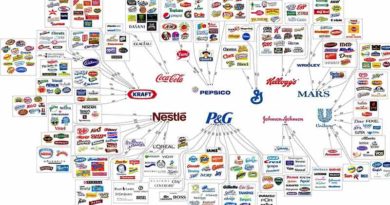
Plus – you’re missing the irony of a food company the size of Kraft (Toblerone, Terry’s chocolate orange, oreo cookies, ritz crackers, Cote d-or chocolate etc) being behind WW. Make people fat on the one hand and then try to slim them down on the other – brilliant profit strategy and disastrous for human health and the obesity epidemic.
Some of us are trying to solve the obesity epidemic – I used to make over 10 times as much as I do now employed at director level in blue chip companies. It is no where near as satisfying as helping people lose weight, gain health and overcome food addiction.
Best wishes – Zoe
Wow Zoe…you really stirred up a few hornet nests with your comments on WW.
I can’t help but wonder if this passionate defence of the WW program comes from a bunch of angry sugar addicts trying to justify their need for a ‘fix’.
For a group of now supposedly slim and healthy people many seem to be very aggresive and unhappy.
If WW is so good…why are they reading and commenting on your blog?
Just saying…
Hi Sera – thanks for making me smile – how insightful! I was a queen of calorie counting (gold medal standard when I developed anorexia as a teenager!) – I never wanted to think about managing carbs, as they were the only things I wanted to eat. What was the point of meat, fish, eggs, real yoghurt when I could eat 8 pieces of fruit and a packet of fruit gums instead of a proper meal. I was underfed and undernourished and a miserable food addict. Boy will I never go back there – where’s my full fat cappuccino with cocoa on top?!
Ciao – Zoe